Living Tissue Donation

The Tissue Donation department works closely with national and international collection facilities as well as with clinics that participate in living donation programmes. Together they ensure that human transplants are available for upcoming operations.

Living Tissue Donation

When it comes to living tissue donation, it is possible to donate femoral heads and amnion.

Generally, any person over the age of 16 can donate tissue. Whether the tissue is suitable for removal and processing into a human tissue transplant must be carefully assessed on a case-by-case basis. Every donation is free of charge.


Endoprosthetic femoral head donation

The femoral head is donated following a consultation and with the patient’s consent as part of an upcoming hip joint endoprosthesis, the insertion of an artificial hip joint.

This means that the femoral head, which would otherwise be medically disposed of, is made available when the decision is made in favour of donation. This is a simple way of helping people with a severe tissue defect to improve their quality of life.

Why is endoprosthetic femoral head donation important?

Various bone grafts that are urgently needed by other patients can be produced from the femoral heads removed during hip joint operations.

What happens after the femoral head is removed?

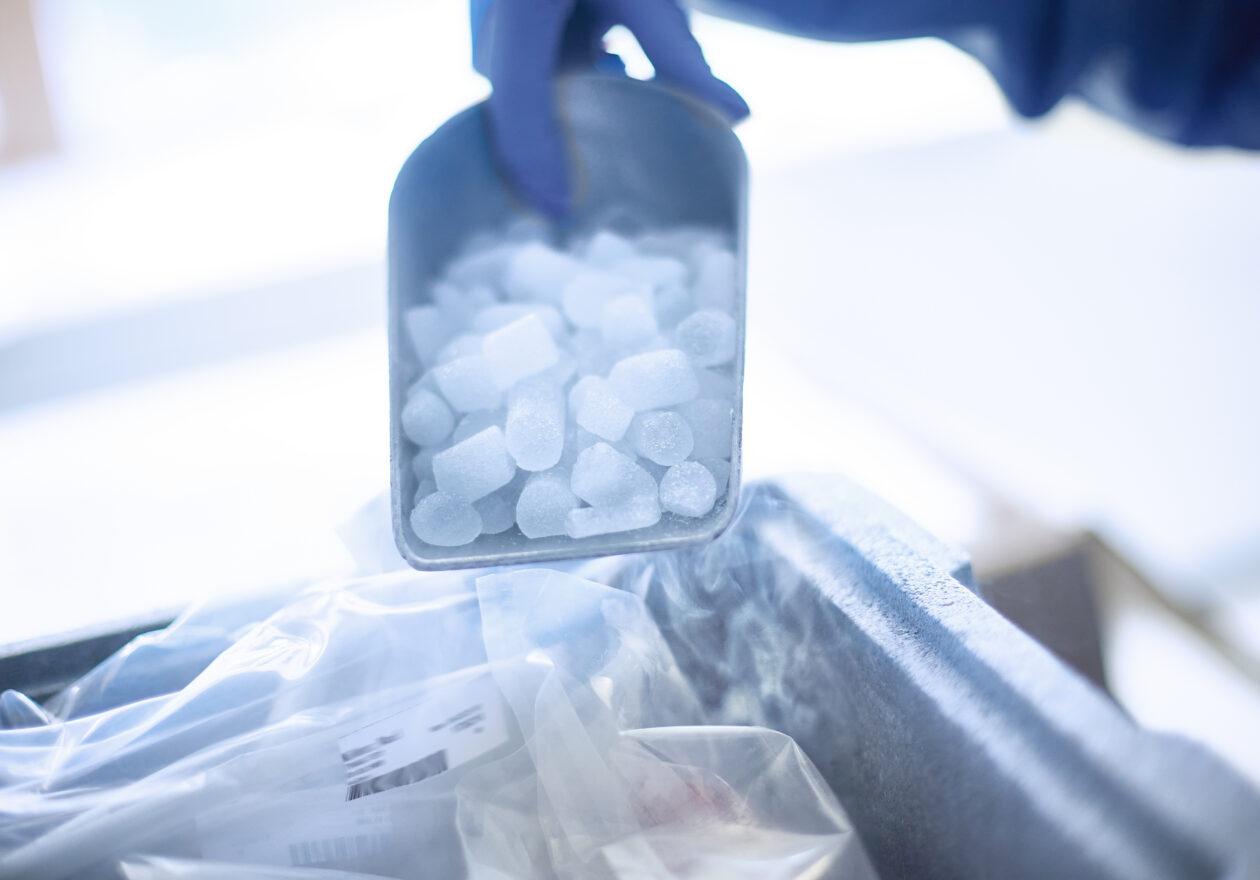
The clinics send donated femoral heads, which are frozen for shipping, to tissue centres such as DIZG. Once they arrive, the temperature is checked first. Only after extensive blood tests and the donor suitability has been determined are the removed femoral heads released for further processing into human tissue transplants. In addition, the responsible person at the clinic must approve the transplant.


Quotes from Dr. Axel Radelhof (Schön Klinik Hamburg Eilbek), Interview on Femoral Head Donation, DIZG Annual Report 2023

  • “However, if no one participates in donation programs, there will be no grafts available for patient care.”
  • “If I could change something about the process, it would be mandatory participation for every clinic. This will hardly be enforceable, even though it would allow every removed femoral head to be processed into grafts.”


Amniotic Donation

Amnion, also known as egg membrane, is obtained from the placenta, which consists of amnion and chorion. Amnion is the innermost layer facing the foetus, consisting of epithelium, basement membrane and stroma. As part of the amniotic sac, this tissue can be donated by pregnant women after their child is born.

Why is amniotic donation important?

The amniotic tissue processed into a human transplant has a special property: Thanks to its high elasticity, it can adapt directly to the wound, making it ideal for the treatment of acute and chronic wounds. Amnion is used in gynaecology and urology, but above all in ophthalmology.

Why are blood tests carried out for tissue donations?

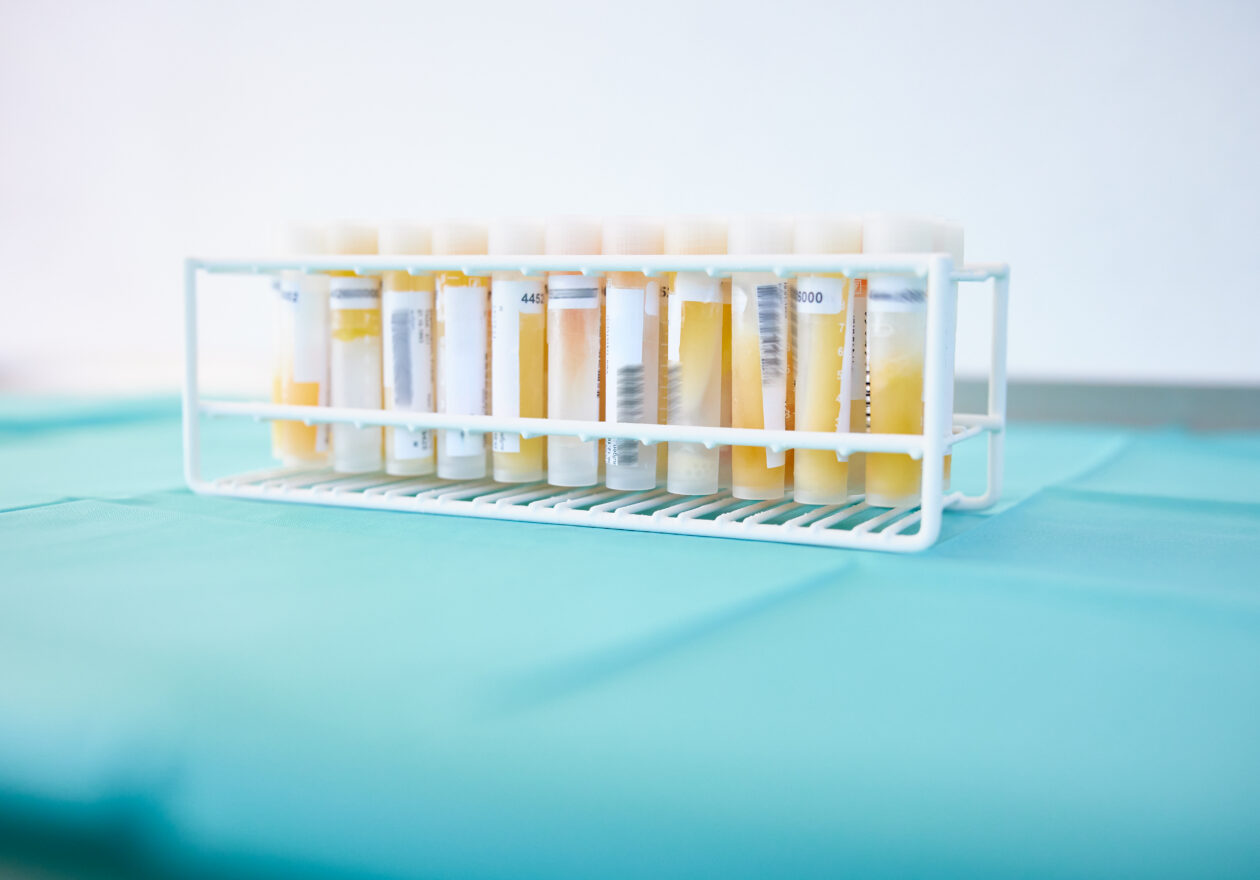
To ensure that no pathogens such as viruses or bacteria are transmitted via the donated tissue, every potential donor is thoroughly examined and checked for suitability as a tissue donor. This also includes blood tests. The DIZG tests for hepatitis A, B and C, HIV, HTLV and syphilis. The screenings carried out for the DIZG even exceed the requirements of EU Directive 17/2006/EC.


Would you like to become a donor clinic or receive further information?

FIND OUT MORE

LEARN MORE

A closer look into the tissue donation department

1. Acquisition of clinics
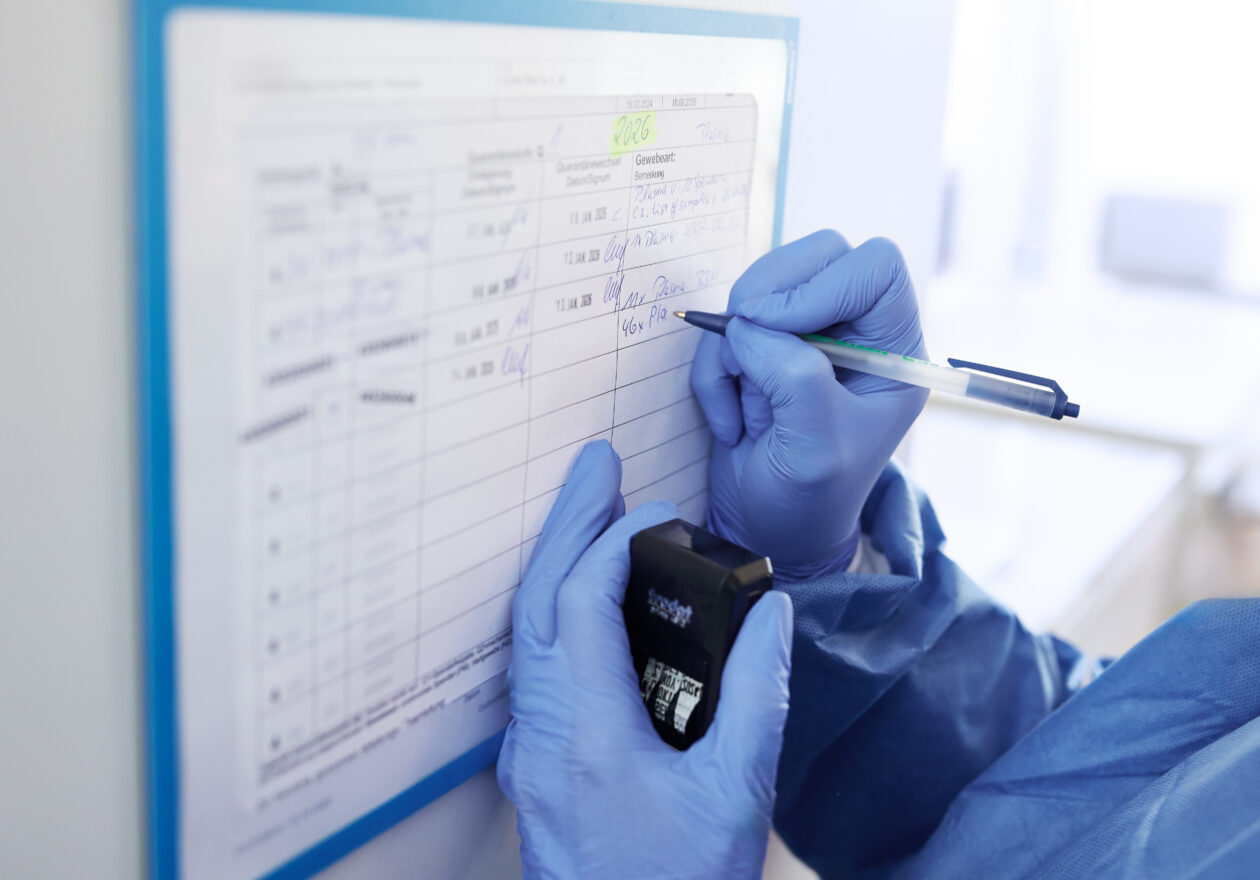
1. Acquisition of clinics To meet the increasing demand for transplants, DIZG is looking for new clinics that would like to participate in donation programmes.
2. Arrival and temperature control
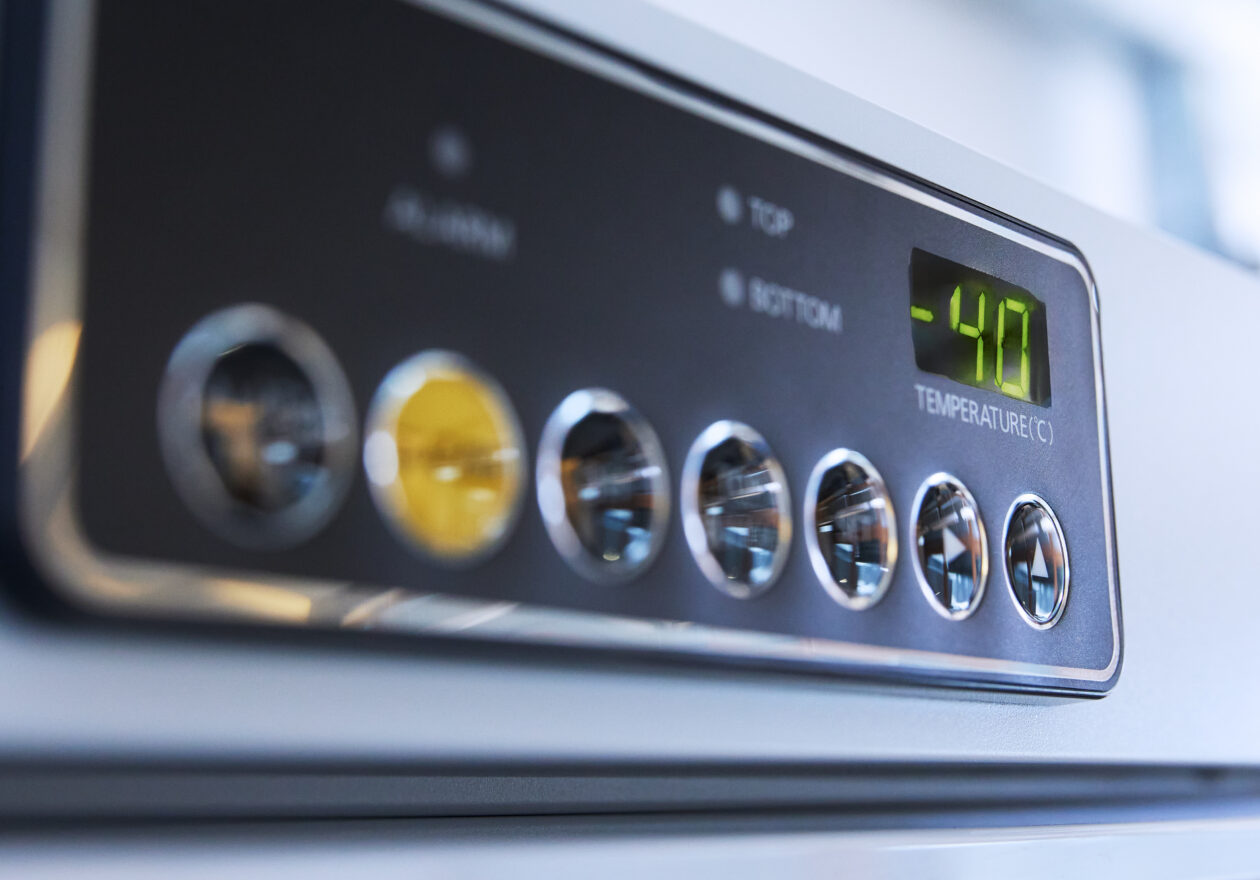
2. Arrival and temperature control Donated tissues are stored in the Tissue Donation Department at -40 °C and only transferred to production when all requirements have been met.
3. Plasma samples
3. Plasma samples The plasma samples are checked according to the dual control principle.
4. Tissue donations
4. Tissue donations The majority of incoming live donations are femoral heads.
Contact us

Get in touch now

Do you have any further questions about tissue donation?

We are happy to assist you.

distribution@dizg.de